|
That’s like saying you can learn a language at any age. Yes, you can. But kids who learn a foreign language during their youth are the ones who end up sounding like natives. What about adults? Well, that depends. Some get proficient. Most have a thick accent. Many never get the hang of it. And socialization is very much like that.
The critical socialization period occurs before your puppy is 4 months old. After that it gets harder, it takes longer, and your dog may never fully get the hang of it.
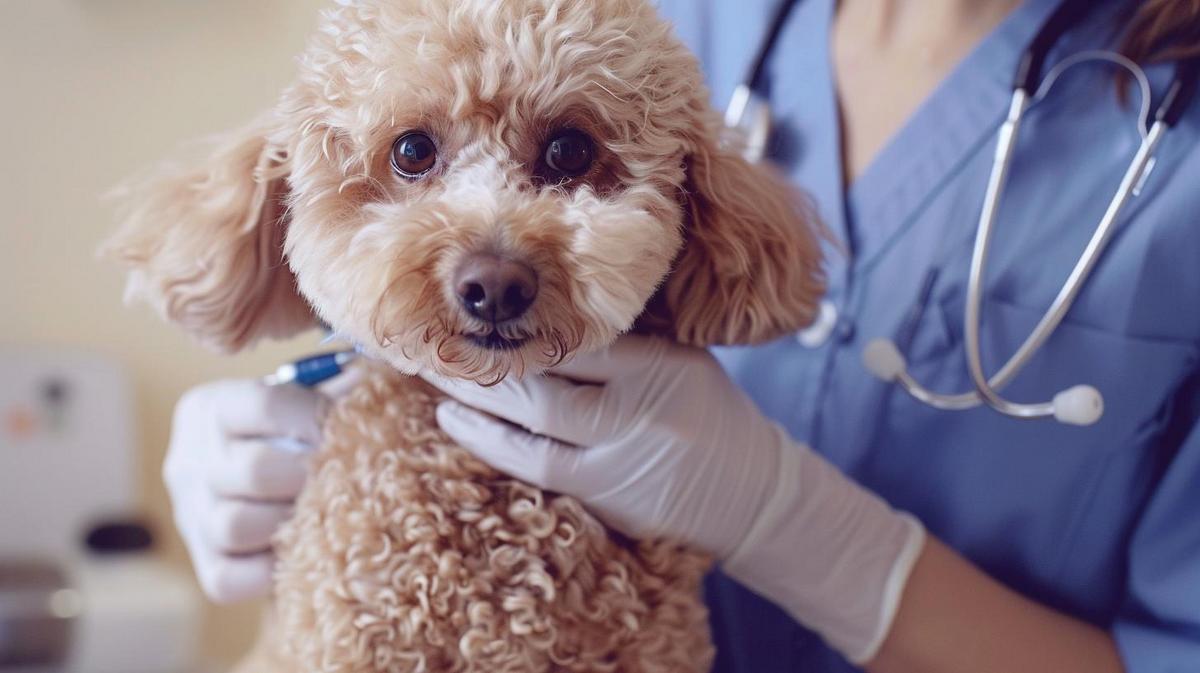
That was true 15 years ago. Today, better vaccinations make it much safer and indeed advisable to socialize your puppy with other partially vaccinated puppies. Follow our safety guidelines, but by all means, give your puppy structured, positive interactions with all types of healthy, friendly dogs.
Alas, puppies tend to grow into problems, not out of them. If your puppy is growly, jumpy, or mouthy, expect him to get worse as he ages. The longer your puppy practices bad behavior the harder it is to change. Socialize and train him, the sooner the better.
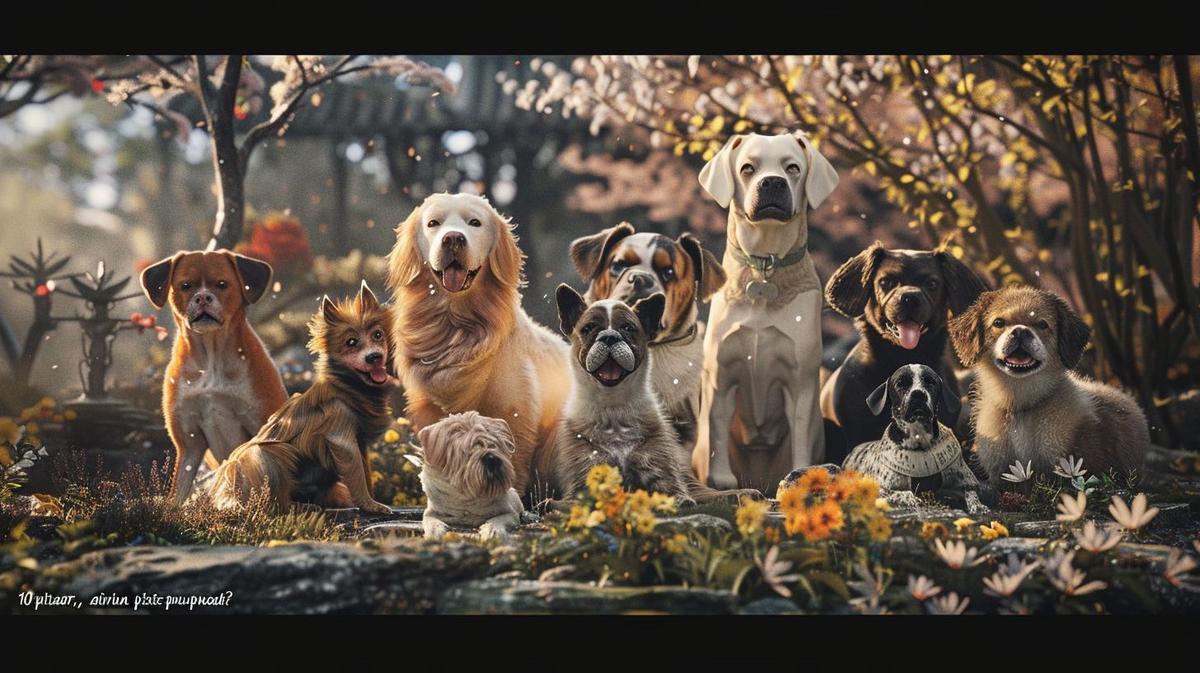
No breed comes pre-socialized. The breeds commonly thought of as naturally friendly—Golden Retrievers, Labradors, etc.—feature prominently in the bite statistics because they’re all too often under-socialized.
Under-socializing your puppy because you expect him to protect your home is simply dangerous. Your dog can’t tell the difference between the FedEx person and a burglar—and Fido is just as likely to bite the neighbor’s kid as an attacker. Trauma, tragedy, and lawsuits may follow.
Instead of a security system, think of your dog as a pre-programmed alarm system. Alerting you to an intruder is a job few dogs need to learn. Plus, an intruder won’t assume your dog is friendly and will think twice about entering your home.
On the contrary. People in rural areas need to be even more mindful of socializing their puppies because it takes more effort to find the opportunities to do it. And you want your dog to be friendly and adaptable regardless of where you live. You’ll still have visitors to your house, packages delivered, contractors making repairs, etc. Your dog will have to come with you to town, visit the vet, and may need to be boarded while you travel.
Under-socialized dogs are ill equipped to handle any of these things.
The tighter the space, the more stressful coming across someone new can be for dogs. Increasing social distance is the number one way dogs diffuse tension, so dogs that live in crowded urban areas need to be exceedingly well socialized. Only armed with a large bank of positive associations will your puppy develop the flexibility he needs to deal with restrictive spaces, on-leash encounters with unfamiliar dogs, strangers petting him, weird sounds and surfaces, and other socialization challenges.
You have an outgoing and friendly puppy? That’s wonderful. It takes safe, early and effective socialization to keep them that way.
Our focus is early socialization, but socialization maintenance (> 6 months) is an important aspect of keeping your puppy adaptable and friendly. The good news is that your early effort makes it easy to maintain your dog’s gregarious attitude. Just take him with you on outings and keep an eye out for socialization challenges. We also recommend continuing his education in the form of advanced obedience classes, freestyle, agility, Rally-O, K9 nose work, dock diving, or whatever fun dog-related activity takes your fancy.
|